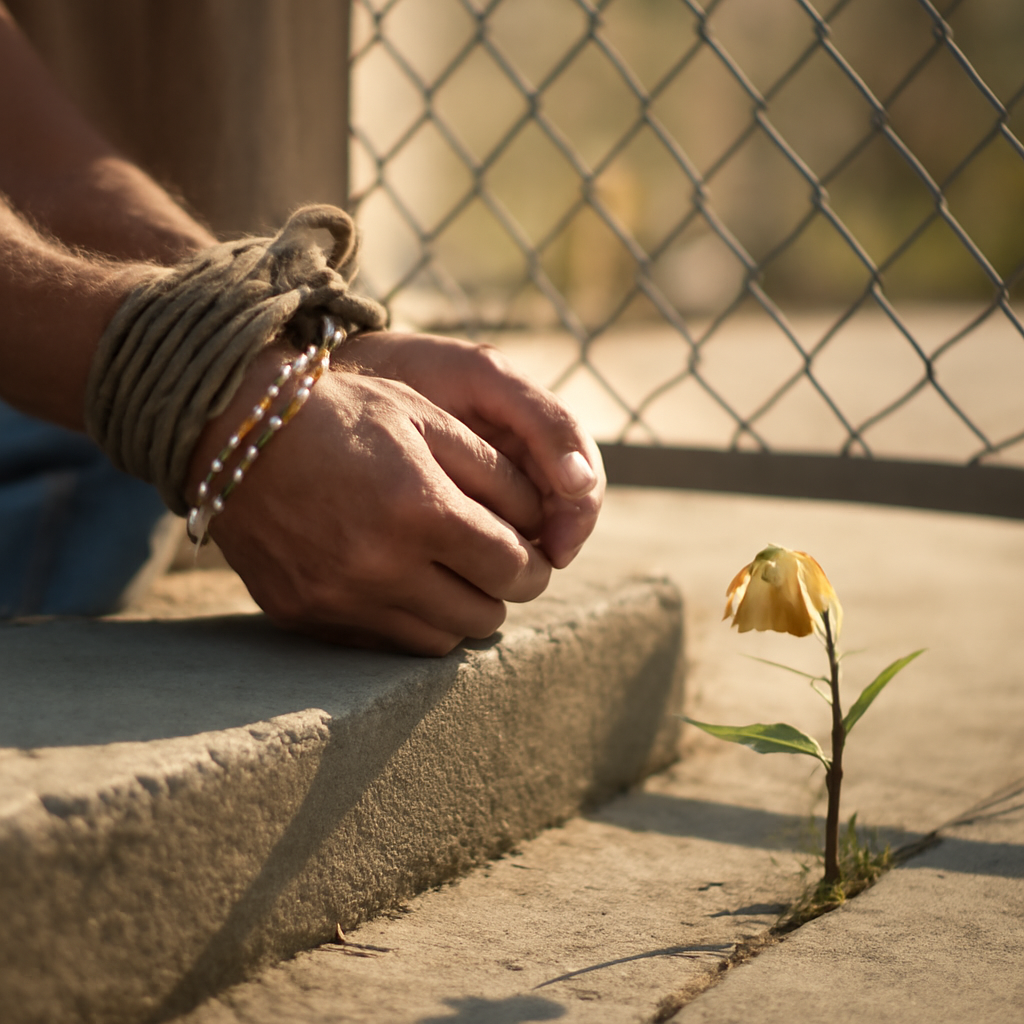
Among the protesters stood US Senator Andy Kim and New Jersey Governor Mikie Sherrill, lending their weight to the call for justice. Senator Kim, after visiting the facility, confirmed reports of poor food and water quality, and limited medical access. The Department of Homeland Security issued a statement, claiming services were provided "as available," but the chasm between official assurances and detainees' lived realities was undeniable.
Why does this happen? A system straining to balance security with humanity, leading to clashes like the one where ICE agents used pepper spray to disperse protestors. But scripture offers a deeper why — a call to defend the oppressed and seek justice.
"Learn to do well; seek judgment, relieve the oppressed, judge the fatherless, plead for the widow." (Isaiah 1:17)
The prophet Isaiah's words cut through time, urging action with righteousness. They speak to the heart of the matter at the New Jersey facility. True justice transcends the law; it upholds the dignity of every human soul. This hunger strike is more than a protest; it is a plea for the world to see and to act. The ICE facility protests highlight the urgent need for change.
People stand at a crossroads. Do they turn away from these cries, or do they step forward with courage? In "Who Will Protect the Innocent?", a similar question was posed. The answer lies in the willingness to stand for those who cannot stand for themselves.
Justice and mercy. Justice without mercy is tyranny; mercy without justice is chaos. The Christian response balances these two, ensuring all are treated with the compassion and fairness God commands. The protests outside the ICE facility remind everyone of this delicate balance, challenging individuals to examine their own hearts and actions.
People are called to be a voice for the voiceless, to advocate for the marginalized. New Jersey's plight is not isolated; it reflects broader systemic issues demanding attention and action. The ICE facility protests serve as a powerful reminder of this reality.
The question remains: will individuals heed this call to justice and mercy, or let it pass by, unheeded? The choice is theirs, and it will define not just their response to this situation, but their very character as a people.