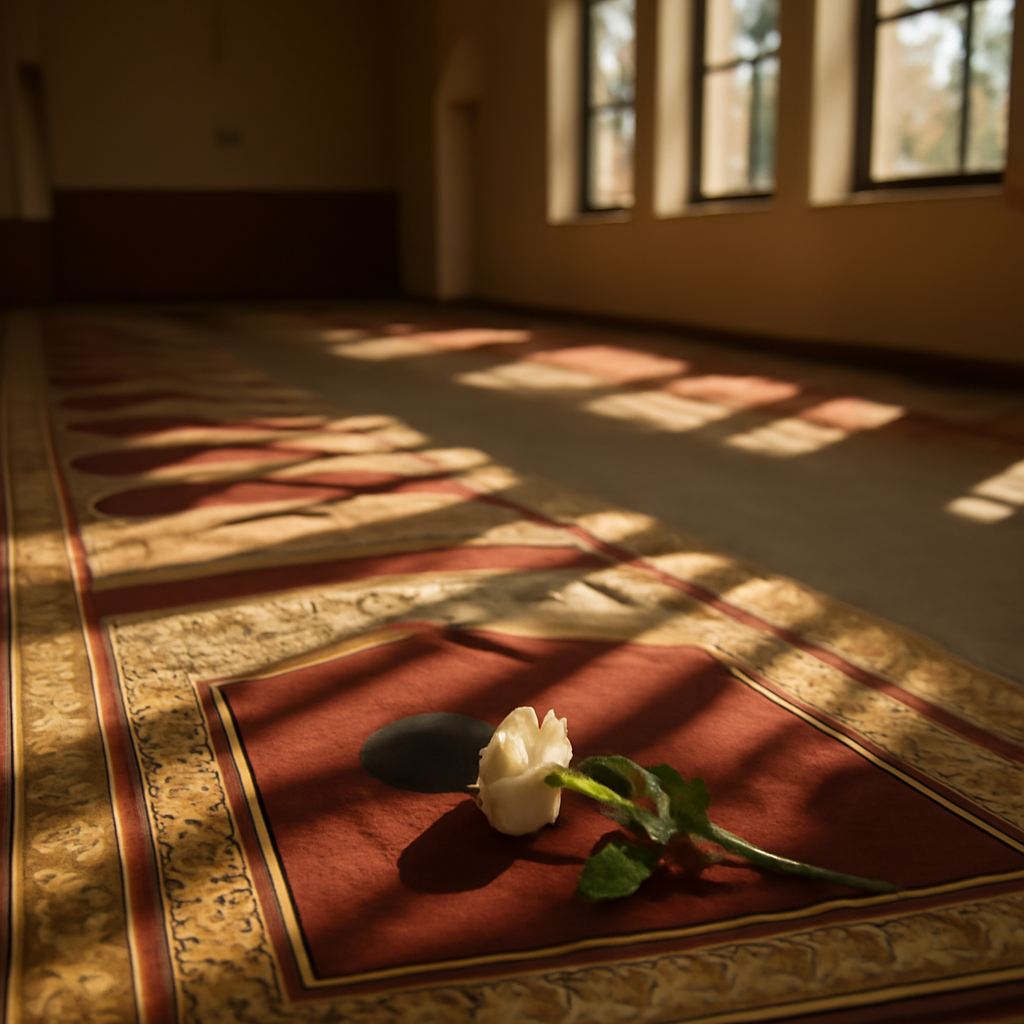
San Diego, a city that prides itself on its colorful tapestry of cultures and faiths, found itself face to face with the stark reality of unchecked hatred. The Islamic Center, meant for prayer and reflection, became a grim stage for the darkness that can lie hidden in human hearts. Yet, this tragedy did not stand alone; it was a symptom of a deeper sickness, one that scripture has long warned us about.
"Whosoever hateth his brother is a murderer: and ye know that no murderer hath eternal life abiding in him." (1 John 3:15)
Hatred is not content to remain dormant. It grows, it consumes, and ultimately, it erupts into actions that echo the very essence of murder. The apostle John speaks not only of the physical but of the spiritual truth — that unchecked hatred, in God's eyes, is murder. This sobering reality demands we look inward, to the seeds we allow to take root in our own hearts.
In the quiet moments of our lives, what thoughts do we nurture? Do we let bitterness and resentment grow unchecked, or do we strive to cultivate love and forgiveness? The tragedy in San Diego is a stark reminder: the battle between light and darkness begins in the heart. We must guard our hearts vigilantly, for they are the wellspring of our actions and attitudes.
It's tempting to point fingers, to blame the world around us, but scripture calls us to a different path — one of personal accountability. Each of us must face the uncomfortable truth that we are responsible for the state of our hearts. The world offers distractions and justifications for harboring unchecked hatred, but the gospel offers a different path — one of repentance and transformation.
In the aftermath of such tragedies, communities often rally together, seeking solace and strength in unity. Yet, the real work begins within each individual heart. We must ask ourselves: are we nurturing a heart of peace, or are we allowing the world to dictate our emotions and actions?
The road to healing and prevention lies not in external measures alone but in a collective return to the teachings of Christ. We are called to love our neighbors, to forgive as we have been forgiven, and to shine as beacons of hope in a world that desperately needs it. We want a manageable God. We get a holy one. The choice is ours — to let love reign or to let unchecked hatred fester.
Picture a heart purged of hatred, filled with compassion, and overflowing with grace. This is the heart that reflects the image of God, the heart that can transform not only individuals but entire communities. Let us strive for this, for in doing so, we not only honor the victims of senseless violence but also the One who calls us to a higher way of living.