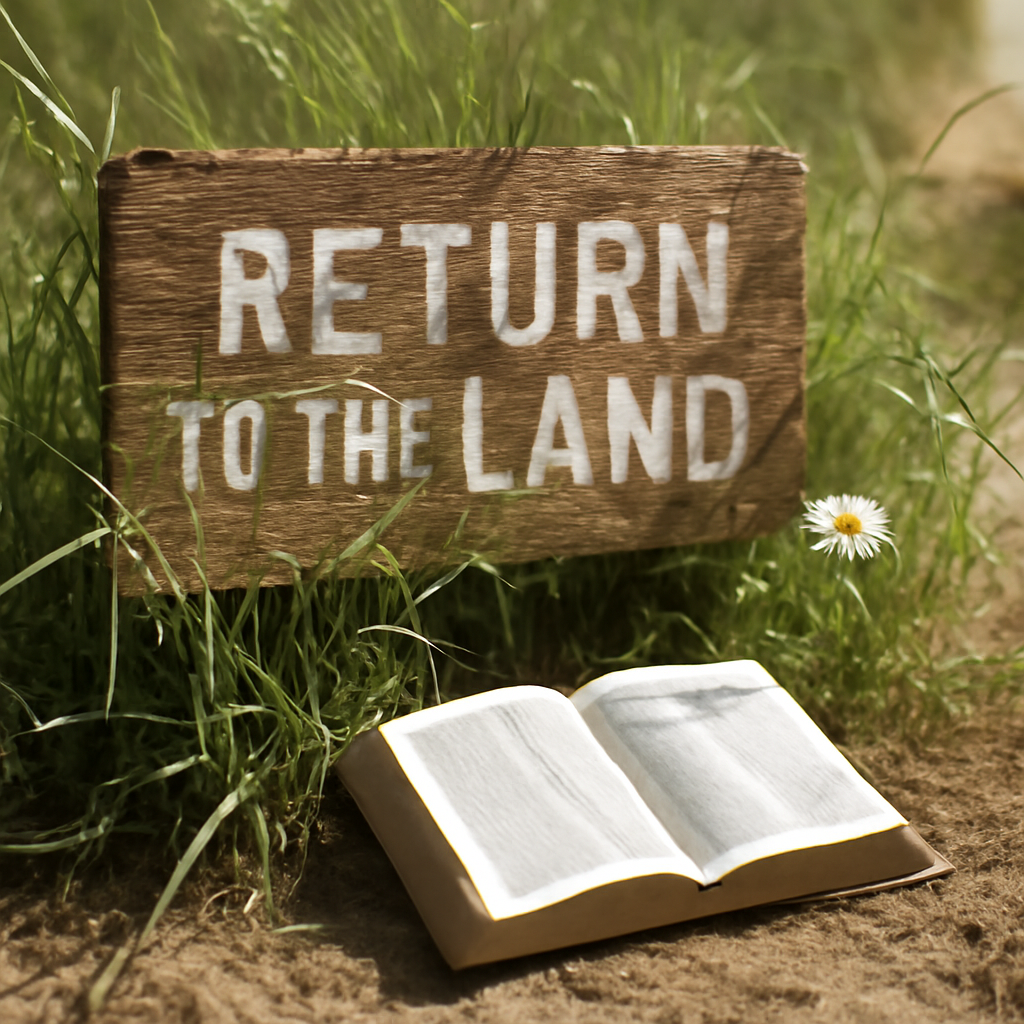
The discrimination lawsuit, filed this month, highlights the ongoing battle against racial bias in housing. The community's exclusionary stance clashes with federal laws that forbid discrimination by race, ethnicity, or religion. This legal fight draws attention to the wider issue of racial inequality and the relentless effort to root it out.
What this reveals is older than the news itself. The fight against partiality and discrimination is ancient, addressed directly by scripture.
Scripture Speaks Against Partiality
The Bible leaves no room for doubt on this matter. In James, we find a clear warning against favoritism based on outward appearances. This is not just a legal concern but a moral one, as the scriptures declare:
"But if ye have respect to persons, ye commit sin, and are convinced of the law as transgressors." (James 2:9)
This verse urges us to search our hearts for hidden biases. It reminds us that every person bears the image of God, worthy of dignity and respect, no matter their race or heritage.
A Call to Love Our Neighbors
Jesus Christ commands us to love our neighbors as ourselves, breaking down racial and cultural walls. The parable of the Good Samaritan (Luke 10:25-37) calls us to show love and compassion to all, even those unlike us. In a world bent on division, the Christian message stands firm in unity and love.
Standing Against Injustice
Believers are summoned to oppose injustice and discrimination wherever they appear. This includes advocating for the marginalized and ensuring our communities mirror Christ's love and justice. The discrimination lawsuit against Return to the Land reminds us of the ongoing task to build societies that are fair and inclusive.
The Plain Truth of It
The plain truth is that discrimination and partiality are sins that grieve God's heart. As Christ's followers, we must be agents of reconciliation and justice, reflecting His love to all. The challenge is to examine our hearts and communities, resisting the sin of partiality and embracing the rich diversity of God's creation.
In the quiet of our hearts, let us ponder how we might be voices for justice and beacons of love in our own circles.