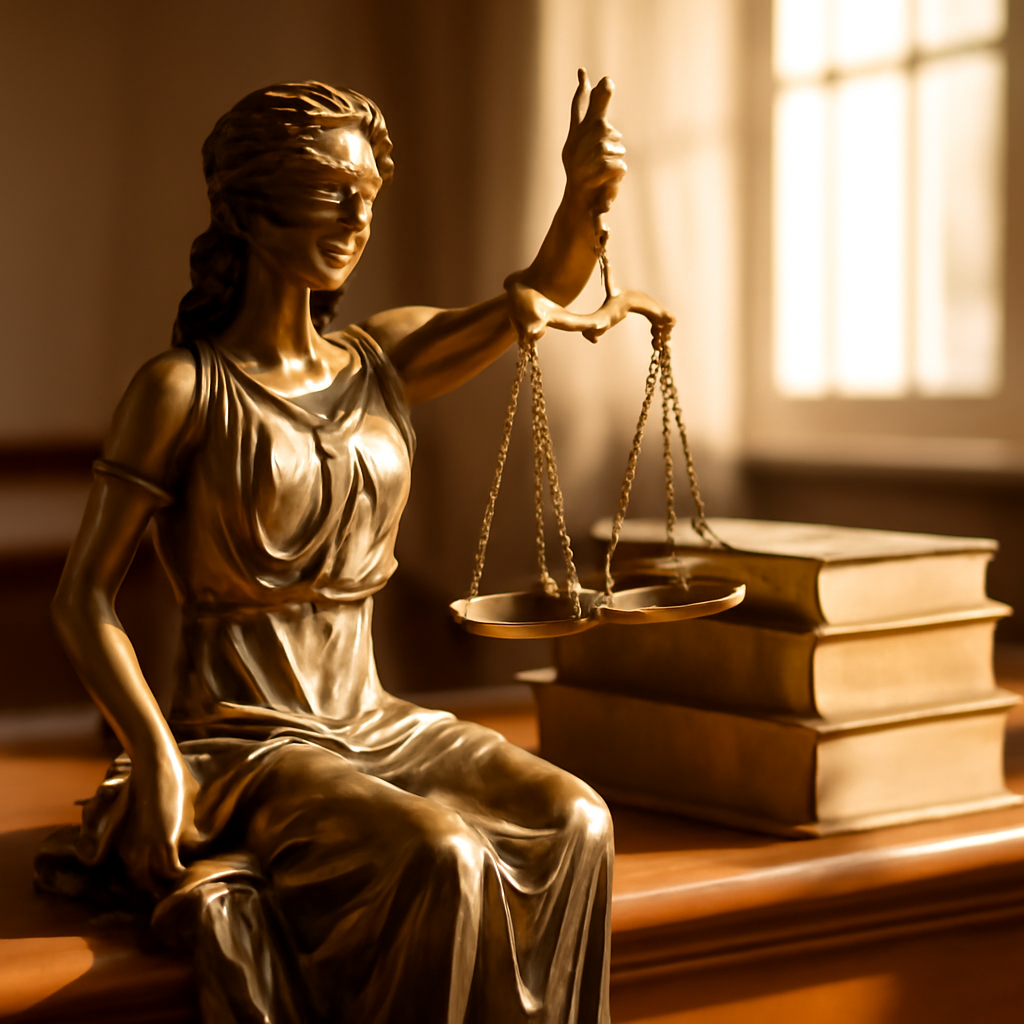
In Mississippi, a state with a long history of racial tension, the selection of an all-white jury for a Black defendant was more than a question mark — it was an exclamation point. The Supreme Court's ruling becomes a beacon, piercing through the fog of discrimination. It's not just a legal victory; it's a moral declaration against the shadows that still linger, highlighting the critical issue of racial bias justice.
Why does such bias persist? It runs deeper than the legal system; it festers in the human heart. Proverbs 21:3 declares, "To do justice and judgment is more acceptable to the Lord than sacrifice." (Proverbs 21:3) This verse shakes us awake, reminding us that God cherishes justice above ritual. The ruling echoes this divine truth, urging our earthly systems to mirror the justice of Heaven, where every soul stands equal.
Long ago, the Israelites trudged through desert sands, commanded to treat all with fairness, regardless of status or ethnicity. The dust clung to their feet, a constant witness to their struggle to fulfill God's call for justice. Today, those ancient commands resonate in our courtrooms and communities. We are called to see each person as God sees them — without the veil of prejudice.
You may be reading this with a tired heart, weary of the injustices that seem to plague our world. Yet, this ruling invites reflection and action. It challenges us to confront our own biases, to build a society that mirrors God's justice. Think about the everyday encounters, the small decisions that collectively shape our world. Are they marked by fairness and love?
The Supreme Court's decision nudges our legal system closer to the biblical mandate for justice. But it leaves us with a lingering question: Are we, as individuals and as a nation, truly committed to racial bias justice for all? The answer lies not just in the laws we pass, but in the hearts we change and the actions we take.