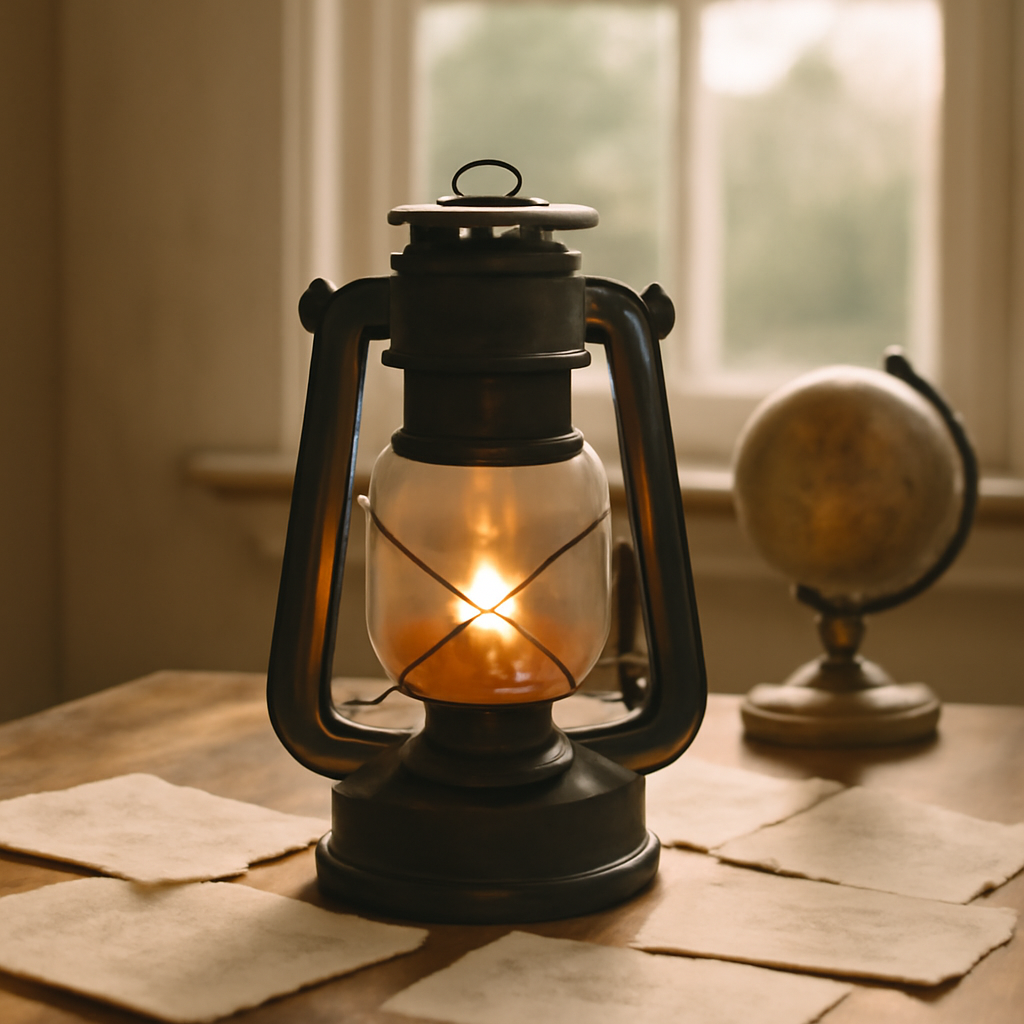
In Iran, a nation steeped in history and conflict, the internet blackout was a tool wielded by the authorities to suppress dissent and control the narrative. Silence was imposed upon a people yearning to speak, to connect, and to be heard. The return of the internet, albeit with heavy restrictions, is not the freedom many had hoped for. It is a reminder of the ongoing struggle between the desire for liberty and the grip of control over Iran internet freedom.
This technological flicker in Iran is not just about access to information; it is a reflection of a deeper, spiritual yearning for truth. As the Gospel of John reminds us,
"And ye shall know the truth, and the truth shall make you free." (John 8:32)The truth is not merely a collection of facts; it is the light that breaks through the darkness, the Word that brings life.
Consider the Israelites in the wilderness, wandering for forty years, longing for the Promised Land. They were a people caught between the promise of freedom and the reality of their bondage. Much like the Iranians today, they were caught in a struggle between hope and despair. Yet, it was in the wilderness that God spoke to them, providing manna from heaven and guiding them with a pillar of fire. It was there that they learned the truth of God's provision and promise.
Today, Iranians navigate their own wilderness, a digital desert where the promise of freedom is tantalizingly close yet frustratingly out of reach. They are reminded that true freedom is not just about the absence of chains, but the presence of truth. It is not merely the lifting of restrictions, but the embracing of a deeper reality that sets the soul free, a reality that many hope will lead to greater Iran internet freedom.
As one sits across a kitchen table, pondering the plight of those far away, one must ask: what does freedom mean to us? Is it the ability to speak our minds, to connect with others, to worship without fear? Or is it something deeper, a freedom that transcends the physical and touches the very core of our being?
One wants a manageable God, but one gets a holy one. One wants easy answers, but one gets the cross. The truth is not always comfortable, nor is it always convenient. But it is the truth that sets us free, the light that guides us through the darkest valleys.
As the flickering light of Iran's internet reminds us of the fragility of freedom, let us hold fast to the truth that endures. For in knowing the truth, we find the freedom that no earthly power can take away. And in that truth, we discover the light of the world.