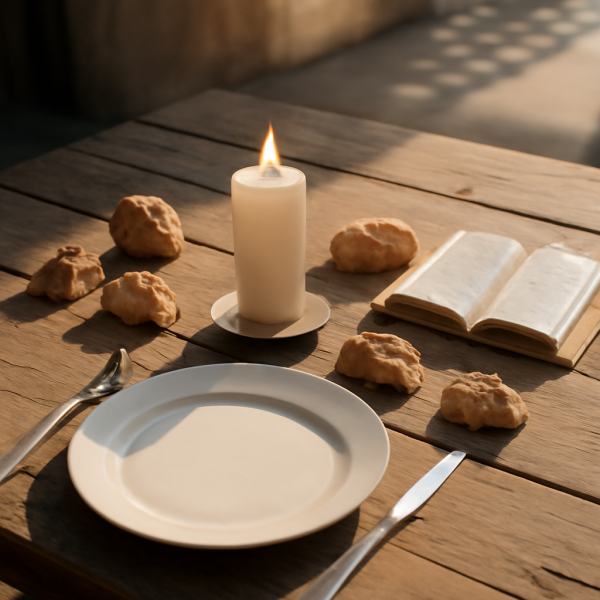
In Nigeria, a land rich with culture and history, the Christian community faces a perilous threat. The relentless violence has left many questioning why such Christian persecution in Nigeria persists. The roots of this crisis are tangled in a web of religious extremism, political instability, and a history of ethnic tensions. As the world watches, the cries of those suffering echo louder, demanding a response from the global community.
"Blessed are they which are persecuted for righteousness' sake: for theirs is the kingdom of heaven." (Matthew 5:10)
These words of Jesus remind us that persecution is not new to those who follow the path of righteousness. The early Church faced similar trials, meeting in secret, breaking bread in the shadows, and finding strength in shared faith. Today, Nigerian Christians gather under the threat of violence, yet their faith remains unshaken. Their courage is a testament to the power of the gospel, a light in the darkness amid ongoing Christian persecution in Nigeria.
In the face of such adversity, how do we respond? As believers, we are called to stand against persecution and injustice, to lift our voices for those who cannot. The situation in Nigeria is a clarion call for action, a reminder that faith without works is dead. We must pray, yes, but also act. Supporting organizations that provide aid, advocating for international intervention, and raising awareness about Christian persecution in Nigeria are steps we can take.
Consider the tangible acts of faith: a shared meal, a whispered prayer, a hand extended in friendship. These are the actions that build bridges and heal wounds. In a world that often feels divided, these simple gestures carry profound significance.
As the news from Nigeria unfolds, it challenges us to examine our own commitment to justice and truth. Are we willing to step into the breach, to defend the defenseless? The call to stand is not just for those in distant lands; it is for each of us, in our communities, in our daily lives.
So, as we reflect on the plight of our brothers and sisters in Nigeria, let us ask ourselves: What will we do with the knowledge we have? The answer to this question may shape not only our actions but our very souls.