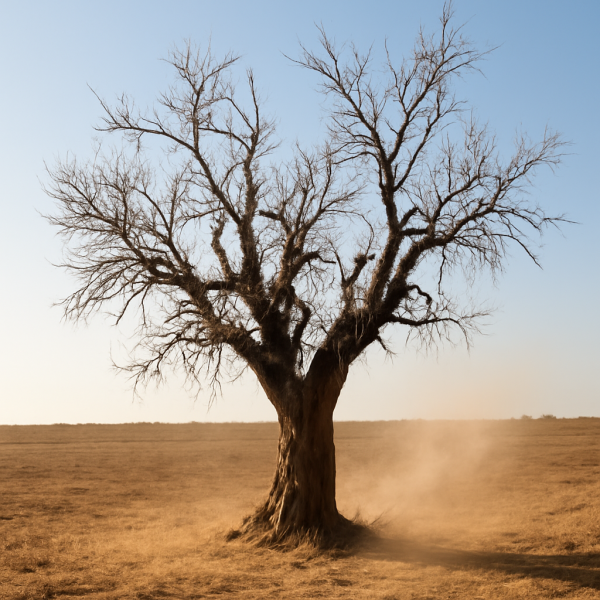
In the dust and heat of the Middle East, where ancient lands and modern politics collide, the cycle of violence seems unending. The lives disrupted, the fear instilled, the mourning of those who lose loved ones—all are reminders of the heavy price of conflict. But why do these cycles persist? The immediate causes are political and military, but the deeper why is spiritual. The heart of man, untouched by the peace of God, is restless and prone to strife.
Christ's words on the mountaintop echo through the ages: "Blessed are the peacemakers: for they shall be called the children of God." (Matthew 5:9) In a world marred by division and hostility, the call to be peacemakers is both radical and essential. The dust of conflict settles only when hearts turn toward the Prince of Peace. In the firelight of that ancient sermon, the crowd gathered to hear a message that challenged their understanding of power and victory.
The peacemaker is not passive. They stand firm in the truth, yet extend grace. They seek resolution, not by force, but through reconciliation. This path is not easy, nor is it always welcomed, yet it is the way of the cross. The apostle Paul reminds us that "if it be possible, as much as lieth in you, live peaceably with all men." (Romans 12:18) This is not a call to surrender truth, but to embody it in love.
The recent events in the Middle East, marked by rising Middle East tensions, serve as a stark reminder of the cost of conflict. Nations are drawn into battles that leave scars on the land and on the soul. The images of destruction, the cries of the afflicted, and the brokenness of communities weigh heavily. Yet, amid this, we are reminded of the promise of peace that surpasses understanding.
As we reflect on these events, we must ask ourselves: are we peacemakers or merely peacekeepers? The former seeks to address the root causes of discord, while the latter may simply maintain a fragile status quo. Our Lord calls us to be active participants in His peace, not passive observers.
The question remains: in the dust of today's conflicts, will we choose the path of peace?