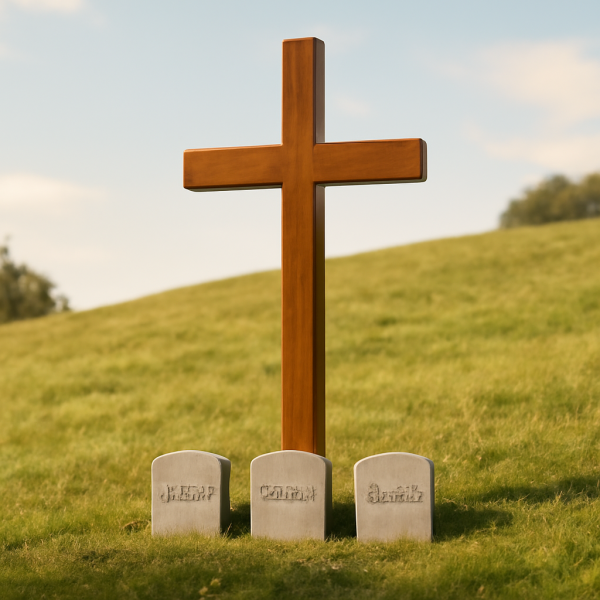
In a world that often glorifies self-interest, why did these men choose a path of selflessness? What compels someone to lay down their life for another?
In the Gospel of John, Jesus speaks of the greatest demonstration of love: "Greater love hath no man than this, that a man lay down his life for his friends." (John 15:13) This profound truth resonates through the ages, challenging us to consider the cost of true love. The actions of Abdullah, Awad, and Kaziha echo this biblical mandate, offering a living testament to the power of sacrificial love and the concept of sacrifice in service.
Their choice was not born out of a desire for recognition or reward. It was an instinctive response to the immediate threat, a decision made in a heartbeat, yet with eternal significance. They valued the lives of those children and staff above their own, a reflection of the divine love that calls us to serve others.
While few of us will face such dramatic choices, the call to sacrifice in service is woven into daily life. It might appear in the form of a parent staying up late to comfort a sick child, or a neighbor offering help to someone in need. These small acts of love, though less visible, carry the same essence of selflessness.
Consider the tension we feel in traffic, when tempers flare and patience wears thin. It's a moment to practice grace, to yield when we could push forward. In these everyday challenges, we are invited to reflect the sacrificial love demonstrated by those three men in San Diego.
But what of the doubter, the one who questions if such sacrifice is truly necessary or wise? To them, we might say: look to the cross, where the ultimate sacrifice was made. It is there we find the answer, where love and sacrifice meet.
The legacy of Abdullah, Awad, and Kaziha challenges us to live beyond ourselves. As we ponder their sacrifice in service, we must ask: what am I willing to give, to lay down, for the sake of others?