The Rohingya, described by the UN as "the most persecuted minority in the world," remain stateless and without legal rights. The densely packed camps of Cox’s Bazar are plagued by insecurity and a severe lack of basic services such as healthcare, education, food, and clean water. Since early 2024, Bangladesh has seen an influx of over 150,000 additional Rohingya refugees, further straining the country's resources in light of the Rohingya refugee crisis.
Bangladesh has shown extraordinary generosity in hosting this vulnerable population, but the country's capacity to support them is diminishing. Rania Dagash-Kamara of the UN World Food Programme emphasizes the need for sustained support and the ultimate goal of enabling refugees to return to Myanmar safely and with dignity.
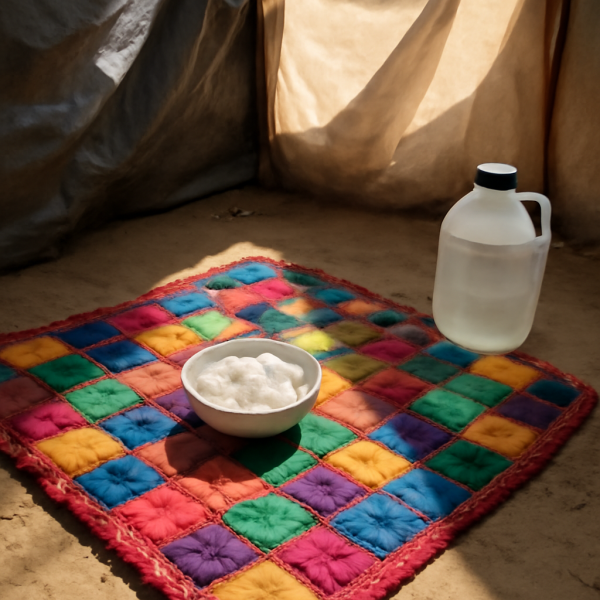
Picture a child — a child who knows only the confines of a refugee camp, whose world is a patchwork of tarps and tents. This is the reality for many Rohingya, and it calls us to reflect on a biblical mandate that echoes through the ages: compassion for the displaced and marginalized. The global community, faced with dwindling aid, hears a whisper from Hebrews:
"Be not forgetful to entertain strangers: for thereby some have entertained angels unawares." (Hebrews 13:2)
These words dig deep, urging us to extend our hands, to open our hearts. When we welcome the stranger, we might just be serving God in ways unseen. The Rohingya refugee crisis is a stark reminder of our call to love our neighbors, regardless of their origins or the trials that have brought them to our doorsteps.
Now, pause and consider: in a world often driven by self-interest, the plight of the Rohingya refugees challenges us to look beyond our borders. This isn't merely about numbers dwindling on a spreadsheet; it's a profound question of moral responsibility. We are called to remember those who suffer, to advocate for justice and mercy, and to act with compassion.
As Christians, we have choices before us — to pray, to speak out, to lend our support. Through these actions, we can reflect the love of Christ in a world aching for it. The story of the Rohingya isn't just about a distant land; it's about our shared humanity. It's about being the hands and feet of Jesus to those who need it most.
And somewhere, in the quiet of a camp, a mother holds her child, hoping for a better tomorrow. Her story, their story, is ours to tell — a testament to the enduring call to love and to serve.