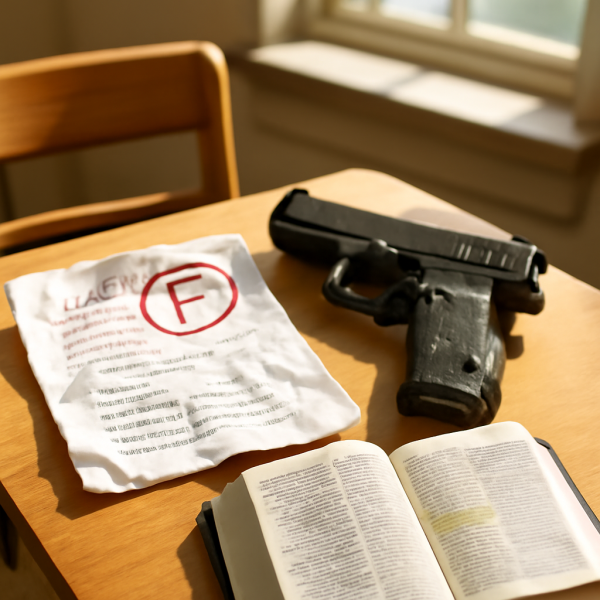
South Cotabato Governor Reynaldo Tamayo Jr. told reporters the shooting began shortly after 1 p.m., and that classes across the municipality of Banga were suspended as police secured the campus. "We need to be responsible in storing firearms," Tamayo said, calling the attack an isolated case and appealing to the community for calm while investigators worked to piece together what happened.
Classmates told officials the boy had warned them at lunch, saying he would be "executing my plan" that afternoon. He was known among his friends as a joker, and some of them laughed the warning off. Within the hour, gunfire broke out in a school building. A teacher told investigators the student had seemed despondent after receiving a poor grade; his best friend told police he belonged to an online "true crime community," and Governor Tamayo has since asked the national police's anti-cybercrime unit to examine the group's possible role in the attack. The Philippine Department of Education said counselors would be sent to the school to help students, teachers, and grieving families.
The Question Investigators Cannot Answer
Investigators will spend weeks combing through the boy's phone and his friends' memories, hunting for a motive they can file and close. They will not find it there. A bad grade does not put a pistol in a fourteen-year-old's hand. An online forum does not, by itself, make a joker into a killer. Something darker was at work in that boy's heart long before lunch period, and the Book of Jeremiah named it three thousand years ago, long before anyone had heard of a "true crime community."
"The heart is deceitful above all things, and desperately wicked: who can know it?" (Jeremiah 17:9)
That verse is not an excuse for what happened at Banga National High School. It is a diagnosis, and it applies to every heart beating today, not just the one that stopped in that classroom. My friend, you may never touch a gun in anger. But the same deceit that talked a sixteen-year-old boy into believing violence was his "plan" whispers to every one of us in smaller ways — that a lie is harmless, that a grudge is justified, that our own reasoning can be trusted over the plain word of God. The Philippines did not raise a monster in a vacuum. Sin raised him, the same sin that is native to every human heart since Eden.
Here is where the gospel refuses to leave the diagnosis standing alone. The God who named the sickness also named the cure, and He did not leave it to a counselor's office or a confiscated firearm.
"A new heart also will I give you, and a new spirit will I put within you: and I will take away the stony heart out of your flesh, and I will give you an heart of flesh." (Ezekiel 36:26)
That is what the gospel of Jesus Christ offers — not a patched-up version of the old heart, but a new one. Christ went to a cross to make that exchange possible, bearing in His own body the sin that no policy, no online-safety filter, and no amount of grief counseling can root out. He rose again so that a heart held captive to deceit, to despair, to rage, could be handed over to Him and made new.
The two families in South Cotabato burying their fourteen-year-olds this week deserve grief that is honored, not rushed past. So does the family of the boy who pulled the trigger, who will spend the rest of their lives trying to understand a son they thought they knew. But this news is not only about them. It is about the heart Jeremiah described, the one beating in every reader of these words right now — the one still being managed, medicated, and monitored while it quietly deceives. Christ is still in the business of giving hearts of flesh to people who bring Him their hearts of stone. That offer stands today, in Banga and everywhere else sin has left its wreckage.