The same day, Houthi missiles and drones struck the Yemeni Red Sea port of Mokha, held by forces aligned with the Saudi-backed government. A medical source told wire reporters that at least eleven people died there, three civilians and eight soldiers, while Yemen's National Resistance Forces put the toll at seven. Saree said the attacks answered earlier Saudi drone strikes that crossed into Yemen's Hajjah and Saada provinces.
The exchange marks a sharp break from a years-long truce that had held since 2022 between the Houthis and Yemen's internationally recognized government. That truce effectively collapsed last month as fighting among regional allies of the United States and Iran intensified, and the Houthis, who receive backing from Tehran, announced a naval blockade of Saudi Arabia and began striking tankers and oil facilities across the Red Sea. Two days before the Jazan strike, Saudi Arabia signed a new defense pact with Turkey and Pakistan, a hedge against the spreading instability. In the background, the wider conflict between the United States, Israel, and Iran grinds on; President Trump said this past week that Washington is "only semi-negotiating" with Tehran while economic pressure on the regime builds.
A Peace the Drones Cannot Touch
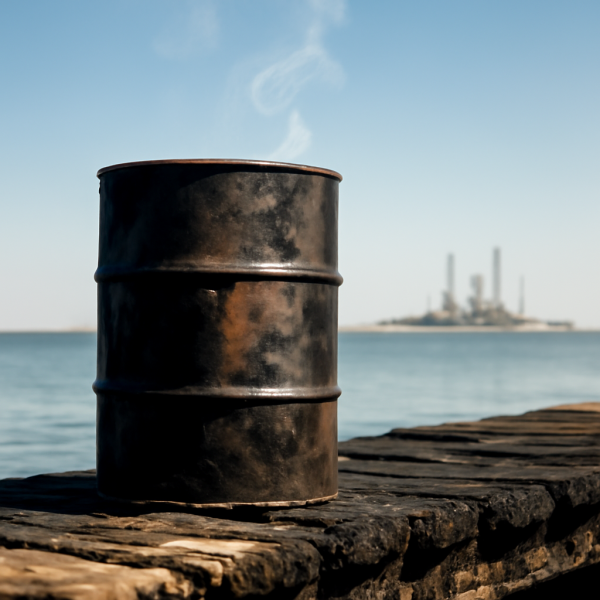
Read enough of these dispatches, a refinery burning here, a port under fire there, a truce broken, a pact signed to guard against the next collapse, and a man starts to feel the ground itself is unsteady. It is not only the Red Sea. It is every alliance nations build to protect themselves from one another, and none of it holds for very long. Oil keeps the lights on and the trucks moving, and whole kingdoms will burn a port to the waterline over who controls it.
Jesus told His own that such news would come, and told them plainly what to do with it. "Ye shall hear of wars and rumours of wars: see that ye be not troubled: for all these things must come to pass, but the end is not yet" (Matthew 24:6). He did not promise the fighting would stop before He returns. He promised something a man can actually stand on while it doesn't.
"Peace I leave with you, my peace I give unto you: not as the world giveth, give I unto you. Let not your heart be troubled, neither let it be afraid." (John 14:27)
Mark the difference He draws. The world's peace is a treaty, a blockade lifted, a ceasefire that holds until it doesn't. It is Saudi Arabia signing with Turkey and Pakistan because no single nation trusts its own strength anymore. That kind of peace is real and worth having, and diplomats are not wrong to chase it. But it is bought and it can be lost, same as a refinery can burn in an hour after standing forty years. Christ's peace is not negotiated. It does not depend on Tehran's treasury or a drone missing its mark. It is given, the way a father hands something to a son, and no army on either side of the Red Sea can requisition it.
That is the peace worth asking after tonight, my friend, whatever is burning on the news. Not whether the trucks keep running or the truce holds until spring, but whether the heart has been settled by the only hand strong enough to settle it. The nations will keep doing what nations do. A man does not have to.