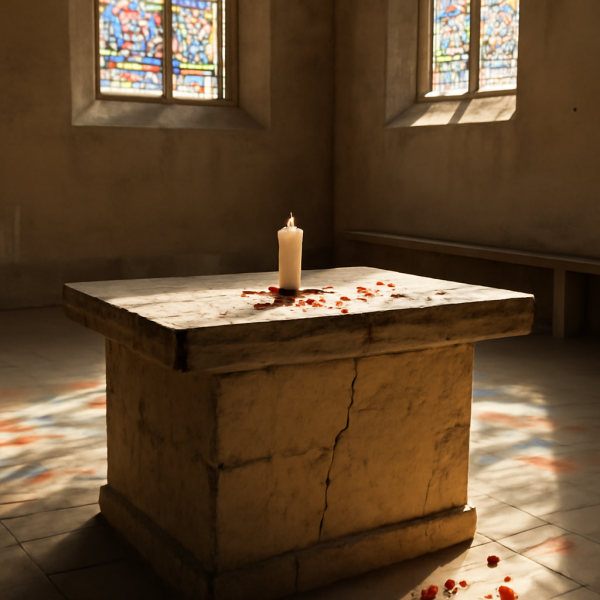
The church abuse settlement, reached earlier this month, was supposed to address the long-standing allegations of abuse within the New Orleans Archdiocese. However, victims and their families have voiced frustration, claiming the agreement falls short of delivering the justice and accountability they seek. This development comes amid a broader reckoning within the Catholic Church as it grapples with its past and attempts to rebuild trust with its followers.
Justice, they say, is blind, but sometimes it feels as if she's just looking the other way. As the dust settles on this latest chapter of the church's troubled history, one cannot help but reflect on the broader implications of such events. The call for justice and truth is not merely a legal matter but a deeply spiritual one. The prophet Micah reminds us of what the Lord requires: "He hath shewed thee, O man, what is good; and what doth the Lord require of thee, but to do justly, and to love mercy, and to walk humbly with thy God?" (Micah 6:8). This ancient call echoes through the ages, urging us to seek justice, extend mercy, and walk humbly.
In a world longing for justice, the contrast between human efforts and divine justice becomes stark. We want a manageable God, one who fits our expectations and timelines, but we get a holy one whose justice is perfect and whose mercy is boundless. This church abuse settlement, with its perceived inadequacies, serves as a reminder that earthly justice is often flawed, yet it also points us to a higher standard. A standard that doesn't change with the tides of opinion or the whims of power.
The New Orleans settlement may seem like a small chapter in a long, painful story, but it is part of a larger narrative of human fallibility and divine redemption. It echoes the struggles faced by many around the world, as seen in past reflections such as the Nigerian Court's decision to bar Islamic police from arresting a convert. Each of these stories reveals the ongoing battle between human imperfection and the divine call to righteousness. The surprise lies in how these stories, seemingly disparate, weave a single tapestry of hope and redemption.
As we witness the fallout from these events, there lies an opportunity for repentance and renewal. The church, like all of us, is called to turn from its errors and seek the path of righteousness. This is a time to reflect on our own lives, to examine where we have fallen short, and to ask for the grace to walk more faithfully with our God. The invitation is clear: repent and come. Turn away from the shadows of past failures and walk toward the light of truth and justice that God offers. It is a journey that requires humility, but it is one that promises healing and restoration. For in seeking justice, loving mercy, and walking humbly with our God, we find the true path to peace.