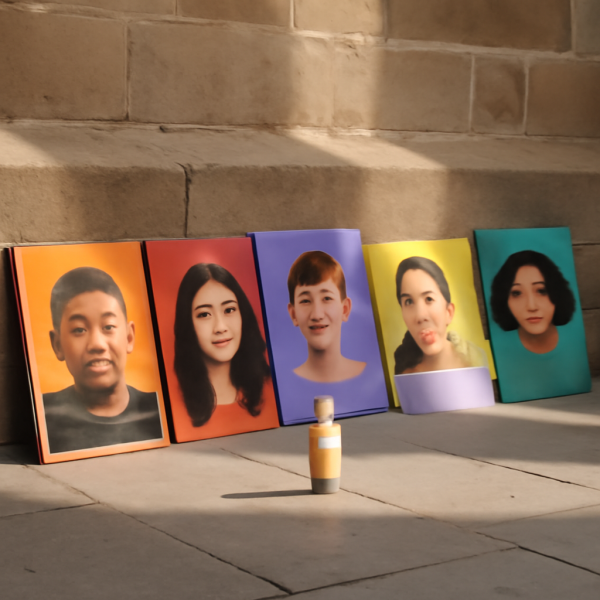
In Karachi, marchers assembled at the mausoleum of Pakistan's founder, Muhammad Ali Jinnah, carrying placards bearing photographs of victims of mob violence and forced conversion. Anthony Naveed, the first Christian to serve as deputy speaker of the Sindh Assembly, addressed the crowd alongside a local pastor, Ghazala Shafique, and human rights activist Samson Salamat. In Faisalabad, advocate Akmal Bhatti, nephew of assassinated federal minorities minister Shahbaz Bhatti, led a separate rally calling for stronger legal protection of minority communities.
Organizers presented an eleven-point charter to Prime Minister Shehbaz Sharif's government. Among its demands: criminalizing forced religious conversions, a five percent employment and education quota for minorities, direct elections for minority reserved seats in parliament, a new National Minority Rights Commission, and removal of the constitutional bar that keeps non-Muslims from holding the offices of president or prime minister.
Marchers carried the names of two children as a reminder of what is at stake. One placard bore the face of Priya Kumari, a seven-year-old Hindu girl who vanished from Sukkur in 2021 and has never been found. Another carried the story of Maria Shahbaz, taken at thirteen and forced into a marriage she did not choose. Pakistan's blasphemy statutes, which carry penalties as severe as death, continue to be used against Christians and other minorities, and rights advocates say legal protections against forced conversion exist mostly on paper.
What a charter cannot give
Eleven points on a page is a modest thing to ask of a nation — the right to hold an office without a religious test, the right to raise a daughter without a stranger's hand reaching for her, the right to bow the head in worship without a rope waiting at the end of a false accusation. Any government that calls itself just owes its people that much, and it is right for Christians in Pakistan to ask for it plainly and to keep asking until it is given.
But no charter, however carefully worded, reaches the deepest wound in a nation that ranks its citizens by birth and by creed. That wound is old. It goes back past Jinnah's mausoleum, past every constitution ever drafted by human hands, back to the first time one man decided another man's worth could be measured and found wanting. The gospel meets that wound at its root, not at its edges. It does not merely ask for equal treatment under the law. It declares an equality that no government granted and no government can revoke.
"There is neither Jew nor Greek, there is neither bond nor free, there is neither male nor female: for ye are all one in Christ Jesus." (Galatians 3:28)
That verse was not written for a policy paper. It was written for people who had nothing else to hold onto — slaves standing next to free men at the Lord's table, women standing next to rabbis, Gentiles standing next to Jews who had been taught for centuries that such standing was impossible. Paul did not say the differences vanished. He said something greater than the differences had arrived. In Christ, the ground is level. That is not a metaphor for the believer marching in Karachi under threat of a mob's anger — it is the one fact that cannot be taken from him, whatever the constitution says about who may sit in the president's chair.
This does not mean the marchers are wrong to march, or that Christians anywhere should shrug at injustice as though heaven excuses earth from its duty. Scripture never lets a nation off that hook.
"He hath shewed thee, O man, what is good; and what doth the LORD require of thee, but to do justly, and to love mercy, and to walk humbly with thy God?" (Micah 6:8)
Doing justly is not optional for a government, and it is not optional for the believer who watches from a distance either. Pray for Priya Kumari's family, still waiting after five years. Pray for the pastor in Faisalabad and the advocate carrying his uncle's unfinished work. And remember that the courage it takes to stand at a mausoleum with a placard in a country where such a placard can cost a man his freedom is not manufactured by policy. It is the kind of courage that comes from knowing your name is already written somewhere no mob and no magistrate can reach.