Haitian Syrian migrants have been beneficiaries of TPS due to natural disasters and ongoing conflict in their respective countries. The Trump administration argued that conditions in these nations have improved sufficiently to warrant the end of these protections, despite ongoing challenges reported by international observers. The Supreme Court's decision reflects a broader policy direction aimed at reducing the number of immigrants living in the United States under temporary provisions.
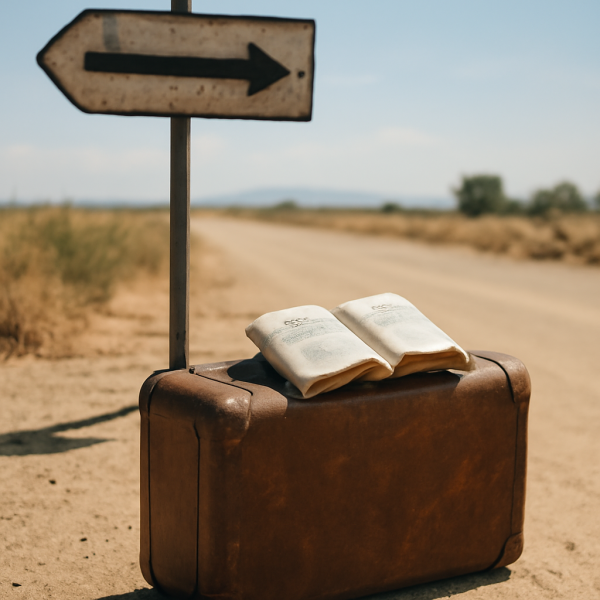
Picture a dusty road, stretching into the horizon, lined with weary travelers. They carry stories etched in their eyes, stories of lands left behind and new hopes not yet realized. As the dust settles on this significant legal decision, the question of how we respond to the 'stranger' in our midst becomes ever more pressing. The Bible speaks clearly about our obligations towards those who are not of our kin, reminding us of our shared humanity and the divine call to compassion. The Lord's command in Leviticus stands as a beacon of moral clarity:
"But the stranger that dwelleth with you shall be unto you as one born among you, and thou shalt love him as thyself; for ye were strangers in the land of Egypt: I am the Lord your God." (Leviticus 19:34)
This scripture challenges us to see beyond policy and politics, to the heart of the matter: the dignity and worth of every human being. It calls us to love the stranger as ourselves, a command that transcends legal rulings and political boundaries. Yet, the tension remains — how do we balance compassion with the rule of law?
In a world where borders define nations, the challenge is to uphold justice while extending mercy. The Trump administration's decision, viewed through the lens of national interest, seeks to prioritize America's sovereignty and security. However, as Christians, we are called to hold these interests in tension with the gospel's call to love and care for the alien among us.
Reflecting on this, we must remember the particular things that matter: the stories of families seeking refuge, the hopes of individuals yearning for safety, the dreams of children born into uncertainty. A suitcase filled with letters, a child's worn-out teddy bear, a photograph of a home left behind. Each of these is a testament to the human spirit's resilience and a call to action for those who follow Christ, including the Haitian Syrian migrants who seek a better life.
As we navigate these challenging waters, let us carry with us the words of the Lord, not only as a reminder but as a guide for how we live and love in a world that often seems divided. "Love him as thyself" — a simple command with profound implications, one that can light our path through the complexities of modern life.