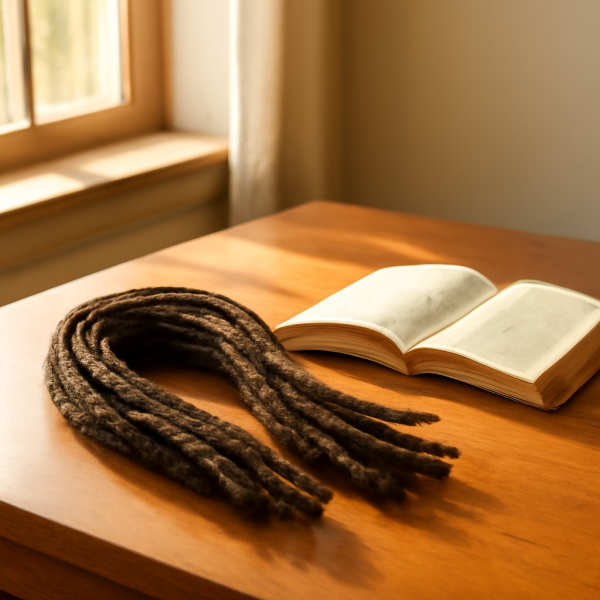
The case highlights the tension between institutional regulations and personal religious convictions. The inmate, adhering to Rastafarian beliefs, which include the wearing of dreadlocks as a spiritual practice, faced a direct conflict with prison policies that mandated haircuts for security and hygiene reasons. The court's refusal to intervene suggests a leaning towards prioritizing institutional regulations over individual religious practices, a stance that has drawn criticism from civil liberties groups.
There is something we all know but rarely voice: faith can be a lonely road. The world has never been kind to those who hold fast to their beliefs when the winds of society blow against them. In this legal skirmish, we see a reflection of the trials that have shadowed believers through the ages. The Apostle Paul wrote of such struggles, reminding us that persecution is not a matter of if, but when.
"Yea, and all that will live godly in Christ Jesus shall suffer persecution." (2 Timothy 3:12)The Rastafarian inmate's ordeal is a stark reminder of this truth—a man standing firm against the clamor of authority, much like Daniel who faced the lions. Imagine the cold, hard ground of that den, the breath of beasts lingering in the shadows, and a faith that would not flinch.
We may not face lions or the threat of imprisonment, yet the call to endure is no less real. It whispers in the quiet moments, in the decisions we make when no one else is watching. Faithfulness demands a price, and often it is paid in the currency of sacrifice. The Supreme Court's decision regarding the Rastafarian lawsuit might seem a setback, a moment when the scales tip toward earthly power over divine conviction. But it also serves as a solemn reminder of where our true allegiance lies. The choice is ours: to stand firm, to navigate these troubled waters with grace, knowing that our ultimate vindication rests not in the halls of justice, but in the hands of the Almighty.
So, my friend, when the time comes, and it surely will, how will you choose to stand when your faith is tested?