In retaliation, Iran's Islamic Revolutionary Guard Corps (IRGC) launched ballistic missiles and drone attacks on US infrastructure located in Kuwait and Bahrain. The IRGC's statement claimed the destruction of "eight key pieces of infrastructure" at the Ali al-Salem base in Kuwait and the Fifth Naval Fleet in Port Salman, Bahrain. Both nations have accused each other of violating a ceasefire agreement that was part of a memorandum of understanding signed earlier this month, further intensifying the ongoing US Iran conflict.
Despite the exchange of strikes, a US official reported that there were no casualties or major damage to US facilities. However, the situation has heightened tensions in the region, with Kuwait and Bahrain activating their air defense systems in response to the attacks.
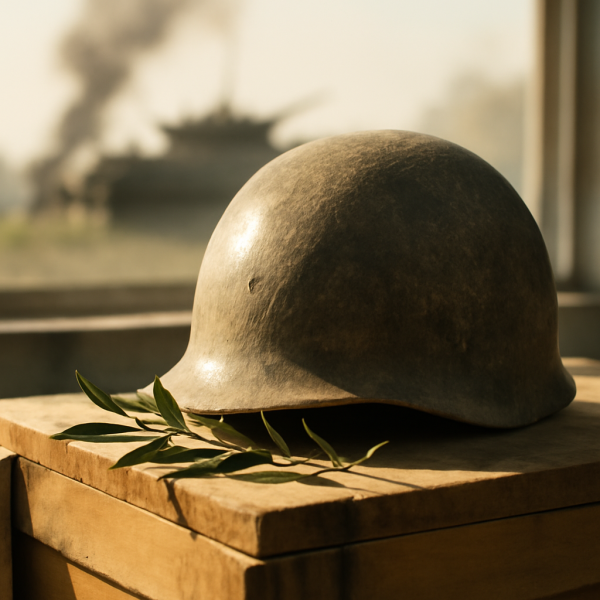
The air was thick with the acrid scent of smoke as the dust began to settle from the recent exchanges. In the midst of this chaos, the words of Jesus echo through the ages, a quiet but persistent call: "Blessed are the peacemakers: for they shall be called the children of God." (Matthew 5:9) This is not a call to sit idly by, waiting for peace to descend like a gentle rain. No, it demands action, a fierce pursuit of reconciliation and understanding, even when the world seems bent on tearing itself apart.
Look at the Middle East—a land where the soil is rich with the memories of ancient conflicts and the air still hums with the tension of unresolved strife. The cycle of retaliation and aggression spins on, relentless and unyielding. Yet, the Gospel beckons us to break this cycle, to step into the fray with hearts set on peace. Real peace, the kind that doesn't just silence the guns but fills the void with justice, mercy, and truth.
The path forward is tangled, a mess of geopolitical complexities that feel far removed from the lives of ordinary people. But here lies the twist: each of us holds a piece of the puzzle. We are called to be peacemakers, not just in grand gestures but in our everyday lives. In our homes, our communities, and yes, even in the way we engage with the world beyond our doorstep, especially in the context of the US Iran conflict.
We crave a manageable world, a predictable one. Yet, we are given a holy one, where peace is not the absence of conflict but the presence of God’s truth and grace. This is the peace that surpasses understanding—not blind to the world's realities, but transforming them through the power of the Gospel.
So, let us turn our hearts to prayer, not just for wisdom and courage for our leaders, that they may choose the path of peace over the path of war, but for ourselves. May we become instruments of peace in a world that cries out for it, each of us a small light in the vast darkness, pointing the way toward hope and healing amid the ongoing US Iran conflict.