The attacks were not isolated. Bangiya Christiya Pariseba, an ecumenical Christian organization in the state, told reporters at a press conference on September 17 that it has documented 26 separate incidents of anti-Christian persecution over the preceding three months. The group has filed 11 formal complaints with police. Leaders say most of those complaints have gone unanswered.
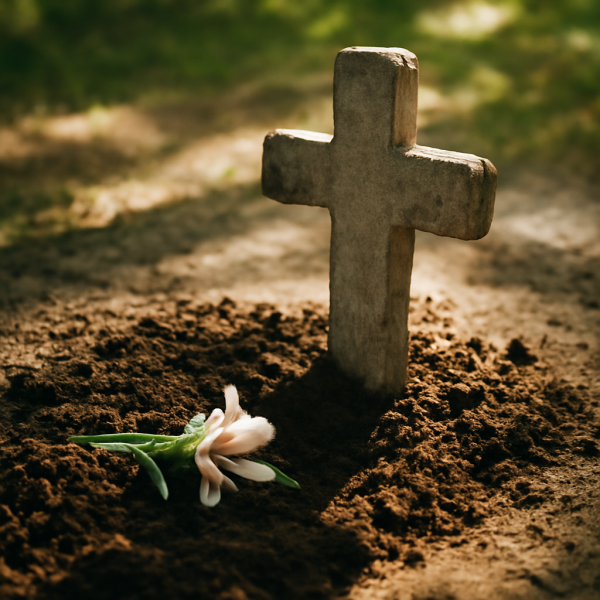
The incidents catalogued by the organization include vandalism of places of worship, the disruption of prayer gatherings, and, in at least one case, the exhumation of a body from a Christian burial ground. Human rights observers in the region describe the pattern as systematic intimidation rather than scattered unrest.
The violence has intensified since the Bharatiya Janata Party took power in West Bengal in May 2026 under Chief Minister Suvendu Adhikari, ending decades of rule by parties that had maintained a fragile communal peace in the state. Christian leaders say they have drafted a memorandum and intend to request a meeting with the chief minister to press for protection and for follow-through on the complaints already filed.
When the Grave Itself Is Not Safe
Set that detail beside the others for a moment. Men can be threatened. Buildings can be vandalized. Meetings can be broken up by force. All of that is grievous, and none of it should be shrugged at. But when a mob digs into the earth to disturb the body of someone already dead and buried, you are looking at something past politics. That is hatred reaching for a target it cannot even touch. It is an attempt to humiliate a hope the grave was never able to hold.
Because that is exactly what a Christian burial declares. It is not a monument to what was lost. It is a claim staked on what is coming. The body goes into the ground the way a seed goes into the ground, and the Book does not treat that as sentiment. It treats it as fact.
"Jesus said unto her, I am the resurrection, and the life: he that believeth in me, though he were dead, yet shall he live." (John 11:25)
My friend, that is not a verse for funerals only. It is a verse for every believer standing in Barrackpore or Khejuri right now, wondering whether the government will answer the next complaint, wondering whether the next Sunday's prayer meeting will be the one that gets broken up. It says the last word does not belong to the mob. It belongs to the Man who walked out of His own tomb.
Scripture never promised the saints an easy road. It promised the opposite.
"Yea, and all that will live godly in Christ Jesus shall suffer persecution." (2 Timothy 3:12)
That word is not a threat. It is a warning meant to keep you from being surprised when the trouble comes, and a comfort meant to remind you that you are in good company when it does. Every apostle but one died for the name of Jesus. They did not die confused. They died certain.
There are Christians in West Bengal tonight who are certain too. They filed the complaint anyway. They will meet for prayer again this week in a room that may be attacked again. That is not foolishness. That is the same confidence Job had when he said his Redeemer liveth, and that he would stand upon the earth at the latter day, though worms destroy this body. A grave dug up in anger cannot undo a promise sealed in blood.
If you have never staked your own life on that promise, you can start tonight. It does not require you to be brave first. It requires you to believe first, and let the courage follow. The same Christ who stood outside Lazarus's tomb and called a dead man back to life is still calling. He is not asking you to be strong enough to face a mob. He is asking you to trust Him enough to face eternity. That is an offer no vigilante, no government, and no grave can revoke.