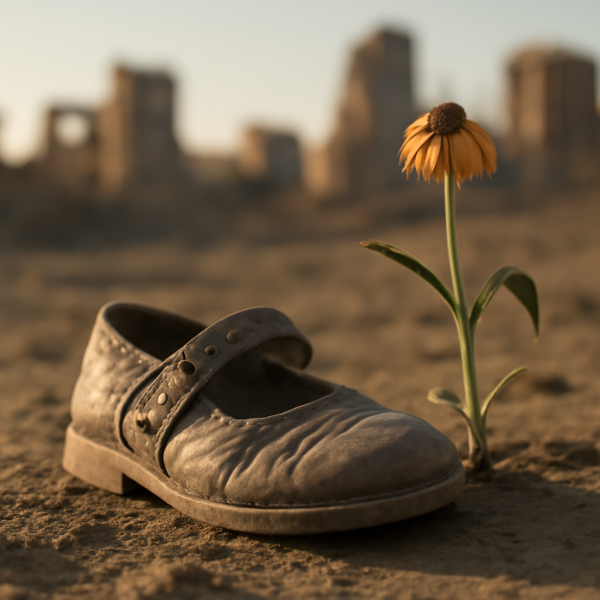
The conflict erupted when tensions between Israel and Hezbollah reignited following the killing of Iran's supreme leader. The result was a cascade of violence: missile strikes, ground invasions, and the tragic loss of life, such as the 168 individuals, including 110 children, killed during a US missile strike on a school in Minab. These events unfolded amidst accusations and denials, with Iranian authorities pointing fingers at the US and Israel for targeting civilian infrastructure.
"From whence come wars and fightings among you? come they not hence, even of your lusts that war in your members?" (James 4:1)
The answer to James' question is as relevant now as it was in the early church. Human ambition and desire can lead nations into conflict, leaving a trail of suffering in their wake. The human cost of war is not just in the lives lost but in the scars left on those who survive. The families who mourn, the children who grow up amidst chaos, and the communities that must rebuild from the ashes.
Consider David, the shepherd boy turned king. His life was marked by conflict, both external and internal. He faced giants and armies, but his greatest battles were those of the heart. In moments of weakness, he faltered, yet he always returned to God, seeking forgiveness and guidance. David's story reminds us that even in our struggles, there is hope for redemption and peace.
As the world watches the aftermath of the US-Israeli conflict with Iran, we are reminded of the fragile nature of peace. True peace is not merely the absence of war but the presence of justice and reconciliation. It begins in the heart and extends outward, transforming relationships and nations. The ongoing human cost of war serves as a stark reminder of the urgent need for healing and understanding.
In our own lives, we can be peacemakers. It might start with a kind word, a forgiving heart, or a prayer for those in conflict zones. We can offer hope, speak truth, and act with compassion.
Let us turn our hearts toward prayer, seeking God's wisdom and peace for ourselves and the world. It is in prayer that we find strength, and it is through prayer that we can hope for a world where swords are turned into plowshares, and nations no longer learn war, alleviating the human cost of war for future generations.