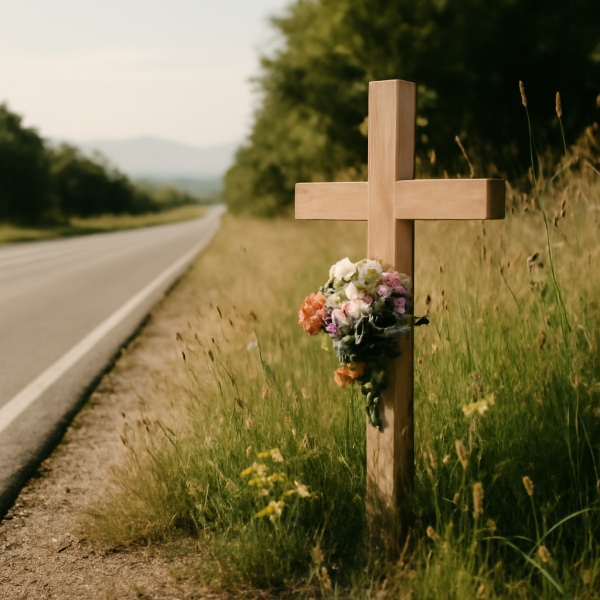
The attackers pulled Emmanuel and a second clergyman, Pastor Gabriel Dipak of the Christ Apostolic Church, from the minivan. They stripped the remaining passengers of phones and cash before letting them go. Dipak was still in captivity as of midday Saturday, his family reporting contact from the abductors demanding ransom. Police recovered stolen items at the scene, but a police spokesman, Alfred Alabo, did not respond to calls seeking comment.
The same stretch of violence claimed four more lives across three local government areas that same night. A woman was killed in Fang village, Bachi District, Riyom, around 9 p.m. Friday. Two people died in Radura village, Fann District, Barkin Ladi. At least one person was injured in an attack on Chakfem village, Mangu. Five dead in a single night, in a state where communities have endured killings and abductions despite ongoing security operations meant to stop them.
Plateau State sits in Nigeria's Middle Belt, ground zero for a years-long pattern of raids on Christian farming communities blamed on armed Fulani militants. Nigeria's Christians have borne the overwhelming share of a persecution death toll that has climbed year over year, and Plateau has been named again and again as one of the deadliest patches of ground in that count. A pastor pulled from a passenger van on a public road, a mile or so from military checkpoints, is not an isolated horror. It is what an ordinary Friday can become there.
What a man does with a roadblock he cannot avoid
Turn from that road in Plateau State, my friend, to a road every one of us walks. None of us chooses the hour or the place where fear gets set in front of us like a roadblock across the highway. Pastor Emmanuel did not choose Friday night. He chose, long before that, what he would do with whatever hour came to him — he gave his years to the Wonderful Grace of God Evangelical Ministry, planting a church in a hard and dangerous place. That is the only choice any of us really get: not whether trouble comes, but what we are found doing when it does.
Scripture does not soften this world for the believer. It tells him plainly that following Christ can cost him everything this side of the grave, and it tells him just as plainly that the cost is not the last word.
"And fear not them which kill the body, but are not able to kill the soul: but rather fear him which is able to destroy both soul and body in hell." (Matthew 10:28)
That is not a hard word spoken to make grief easier to swallow. It is a fact laid down by the One who has already walked through death and come out the other side. Men with guns on a Plateau road can take a body. They cannot touch what belongs to God. A pastor who spent his life telling other men that has more claim on that promise than most of us will ever test.
Pastor Dipak is still out there tonight, his family waiting by a phone for a ransom call, not knowing whether he will come home. That is a different kind of trial than a grave — a slower one, stretched out over days that do not end. The God who kept Daniel in a den of lions and Paul in a Roman prison has not grown weaker since. He is not surprised by a roadblock in Barkin Ladi, and He has not stepped back from what happens on it.
What ought to move a reader, safe in a chair thousands of miles from that road, is not pity alone. Pity fades. What should remain is the plain fact that somewhere tonight, men are still choosing to preach a gospel that has already cost other men their lives, and choosing it anyway. That kind of courage does not come from nerve. It comes from believing, all the way down, that the body is not the whole of the man, and that the One who made both body and soul keeps His word.
"For to me to live is Christ, and to die is gain." (Philippians 1:21)
That is not a verse for the mission field only. It is the standard by which every believer, in Plateau State or anywhere else, is asked to measure his own days.