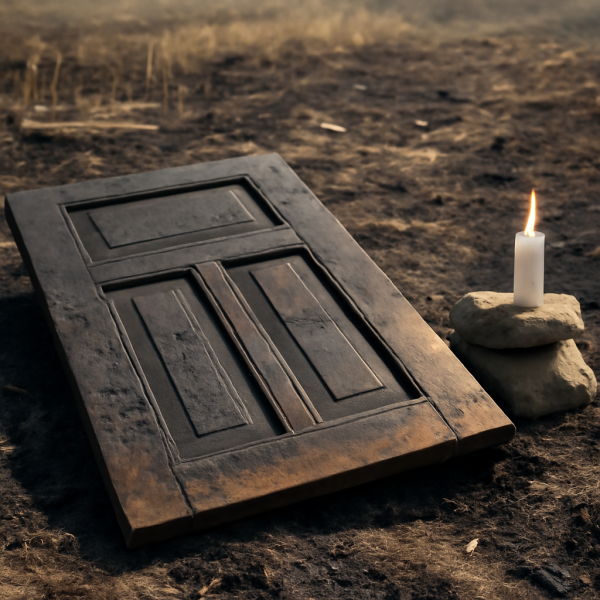
Several homes were burned to the ground, and farmland and crops were destroyed in the raid. Three survivors remained hospitalized in the days following the attack. Plateau State Governor Caleb Mutfwang visited Bin Mper on Thursday, Aug. 20, calling the assault "barbaric, senseless and evil" and telling grieving residents that the killings were an attack not only on their community but on his administration itself.
Police have since arrested a number of suspects in connection with the massacre. "The police have said that some persons have been arrested, and we will follow the matter to its logical conclusion," Mutfwang told residents, pledging tougher security patrols across Mangu County and other vulnerable communities in the region. He also assured residents that "nobody will take over" the ancestral land their families have farmed for generations.
The attack is the latest in a long chain of assaults on farming communities across Plateau State, where disputes between settled farmers and armed herders have repeatedly turned deadly. Nigeria remains the deadliest country on earth for Christians, accounting for roughly 70 percent of the thousands of believers killed for their faith worldwide each year, most of them in villages not unlike Bin Mper.
A Cry From the Ground
Now here is a truth the world does not want to hear: blood cries out. It cried out from the ground when Cain struck down his brother Abel, and it is crying out tonight from the scorched houses of Bin Mper. Men and women who had done nothing but plant their crops and lay down to sleep were murdered in the dark by strangers with guns. That is not a headline to skim past. That is a wound in the body of Christ, and every believer ought to feel it.
The governor is right to call it barbaric. It is barbaric. But my friend, the world has always been capable of barbarism, ever since sin walked into the garden. What the world cannot do, no government and no army can do, is heal what sin has broken in the human heart. Justice matters — and it ought to be pursued with everything Nigeria's police and courts can bring to bear — but justice alone cannot raise the dead, and it cannot comfort a widow at 3 in the morning when the house is quiet and the children are asleep and she is alone with her grief.
There is only one who meets a soul in that kind of darkness. Not a policy. Not a peace accord, however welcome. A person — the Lord Jesus Christ, who himself was struck down by violent men, who bled and died on a cross the world thought had silenced him for good, and who rose up out of the grave on the third day to prove that death does not get the last word.
"Precious in the sight of the LORD is the death of his saints." (Psalm 116:15)
Mark that verse well. It does not say death is good. It does not say the killing in Bin Mper was anything but evil. It says that when the Lord's people fall, heaven takes notice. Not one of them falls unremembered. Not one of them falls unavenged in God's own time. The martyrs of Plateau State are not forgotten names in a wire report. They are known by name to the God who numbered the hairs of their heads.
And for those of us reading this in comfort, far from the sound of gunfire, the lesson cuts just as sharp. You do not know the hour you will meet your Maker. The families of Bin Mper did not know it either, on a Monday night that seemed like any other. That is why the gospel is not a message for someday. It is a message for tonight.
Christ died for sinners — for the herder and the farmer both, for the persecutor and the persecuted, for you. He offers not a truce between men but peace with God, purchased by his own blood. The wilderness is full of violence. It has been since Cain. But the wilderness is also the very place John the Baptist raised his voice, calling sinners to repent because the Kingdom of God was at hand. That voice has not fallen silent. It calls still, even over the ashes of Bin Mper: turn, and live.