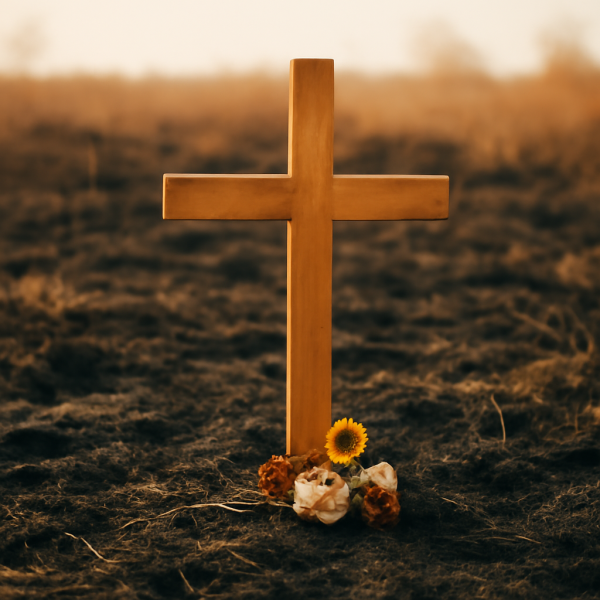
The attack came just before midnight, when gunmen believed to be Fulani militants stormed Naridon, in Kauru Local Government Area, shooting residents in their homes and setting houses and businesses ablaze. Nine men, ten women, and eleven children were killed. Seven others — four children, two women, and one man — were wounded. Local church leaders said the dead included twenty-one Catholics and nine members of the Evangelical Church Winning All. No group has claimed responsibility.
The Catholic Diocese of Kafanchan buried twenty-seven of the victims together days after the attack, the other three having already been laid to rest. The bishop who presided over the funeral told mourners that the diocese and the wider community had failed to protect them. Naridon sits on the border of Kaduna and Plateau states, in Nigeria's Middle Belt, a region where Christian farming villages have absorbed years of raids, kidnappings, and burned churches with little sustained protection from the state. Residents said the same community had been attacked around the same time the year before.
Southern Kaduna has become one of the deadliest stretches of ground on earth for a Christian to simply stay home on a Sunday night. Nigeria alone accounts for the overwhelming majority of believers killed for their faith worldwide this year, and Naridon is one more name added to a list that grows heavier every season. It is easy, reading of eleven dead children, to feel the ground give way under any hope that justice or mercy still governs the affairs of men.
What the Cross Says to a Burning Village
Here is the turn every honest man must eventually make: the world will not balance its own books. Miakailu may face a Nigerian court, and that is right and proper — government bears the sword for exactly this reason. But no earthly tribunal can restore eleven children to their mothers, and no sentence handed down in Kaduna will settle accounts in full. That settlement belongs to another Judge, on another day.
Scripture does not tell the grieving to swallow their sorrow or pretend the wrong was small. It tells them where to lay it down.
"Vengeance is mine; I will repay, saith the Lord." (Romans 12:19)
That is not a word of indifference. It is a promise from a God who sees every burned house and counts every name, and who has never once forgotten a martyr. The bishop at Kafanchan said the diocese failed to protect its own — and by every human measure, so it did. But the Lord who let His own Son be nailed up by wicked hands did not fail. He turned the worst crime in history into the salvation of the world. The men who plotted evil in Naridon that Sunday night meant it for harm; that does not mean the Lord's hand has left the field.
For the widow in Kaduna, and for you reading this in whatever safe room you sit in tonight, the promise is the same one given to every broken heart since Eden.
"The LORD is nigh unto them that are of a broken heart; and saveth such as be of a contrite spirit." (Psalm 34:18)
My friend, you cannot legislate hatred out of the human heart, and you cannot arrest your way to peace. Only one thing has ever changed a man from the inside — the blood of Jesus Christ, poured out for sinners of every tribe, Fulani and farmer alike. Pray for the Christians of Southern Kaduna. Pray, too, for the man now in custody, that the same gospel that saves the persecuted might yet reach the persecutor. Vengeance belongs to the Lord. So, thank God, does mercy.