At the heart of the matter lies the question of whether the children of undocumented immigrants should automatically receive U.S. citizenship through birthright citizenship. This legal debate has been a point of contention for years, with both advocates and opponents presenting compelling arguments. The Supreme Court's impending decision could potentially redefine the rights of many and reshape the nation's approach to immigration.
What does it mean to welcome the stranger? As the Court's decision approaches, this question must be confronted. The Bible speaks with a voice that cuts through the noise, calling us to care for those who wander among us, no matter where they hail from. Leviticus 19:34 is not a whisper but a command, urging us to love the stranger as ourselves.
"But the stranger that dwelleth with you shall be unto you as one born among you, and thou shalt love him as thyself; for ye were strangers in the land of Egypt: I am the Lord your God." (Leviticus 19:34)
We were strangers once. Strangers in a foreign land, reliant on the kindness of others. We are called to extend that same grace and hospitality to those seeking refuge and a new beginning within our borders. This passage doesn't just remind us—it challenges us, demanding we see our reflection in the eyes of those who arrive seeking hope.
The decision before the Supreme Court regarding birthright citizenship is not merely a legal issue; it is a test of our collective conscience. How we interpret the rights of the stranger among us reflects our commitment to the values we profess. The Bible calls us to compassion, to see the humanity in every individual, and to remember that our own ancestors were once welcomed as strangers.
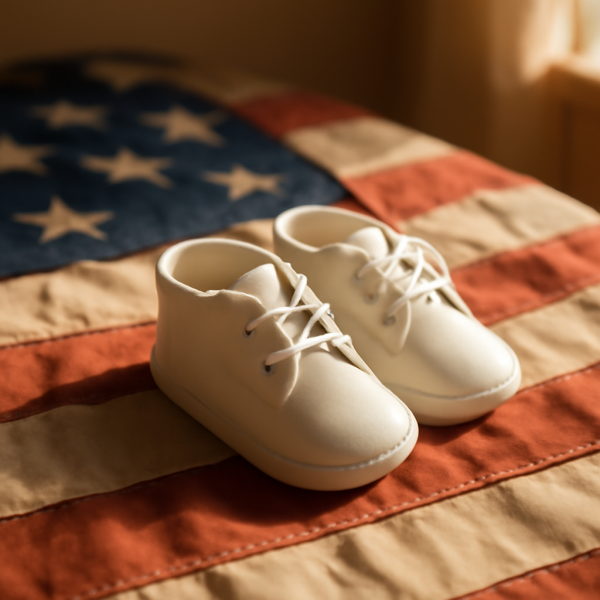
Consider the children born on American soil, each one a living testament to the nation's promise of opportunity and freedom. Will we honor that promise? Will we see these children as part of our shared future, or will we turn away? The ruling will undoubtedly stir debate and may even ignite controversy. Yet, amid the legal arguments and political rhetoric, we must not lose sight of the human element at the heart of this issue.
Every child born here is a question waiting for an answer. An answer that aligns with both justice and mercy. What will that answer be?