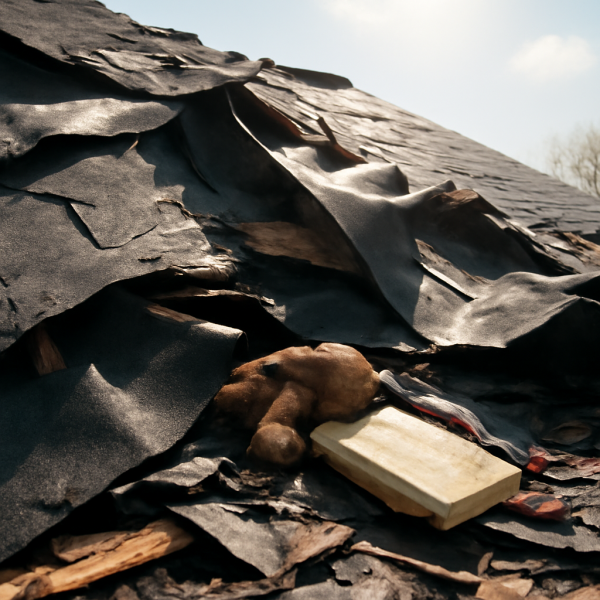
Three men led the mob, ICC says: Bisahu Dhruv, Mansa Gawde, and Phoolsingh Gawde. In the group's account, Dhruv told Sinha, "By becoming Christians, you have polluted the village and defiled our gods and goddesses," and demanded the family renounce its faith. In the two months since, the pressure has not let up. Sinha's small grocery shop, the family's main source of income, has shut down, and local authorities disconnected the household's water and electricity.
Chhattisgarh is one of thirteen Indian states with an anti-conversion law on its books — statutes written to bar forced or fraudulent conversion that critics say are instead turned against Christian minorities who converted of their own free will. ICC has tracked a rise in Ghar Wapsi campaigns across the state's tribal districts this year, including a March assault on roughly ten families in Chitalnar village and a May case in which some 180 Christian families lost access to water and to ordinary economic life in their own villages. Indian state and federal officials have made no public statement on the Sinha family's case.
What a Mob Cannot Take
Strip the roof from a house and you have taken shelter. Cut the wires and the pipes and you have taken comfort. Close the shop that feeds a family and you have taken their bread. A mob in Chhattisgarh took all three from Kamal Sinha in the space of a season, and asked for one thing more in return: his confession of Christ. He would not give it.
My friend, that is the whole of it, isn't it. Every threat this world can muster — hunger, cold, poverty, shame — is aimed at the same target. Bend the knee, and the roof goes back up. Deny the Name, and the water flows again. It is an old bargain, offered in a hundred languages down through the centuries, and the man who has already counted the cost knows his answer before the mob ever reaches his door.
Scripture never promised the believer an easier road than the one his Lord walked. It promised the opposite.
"Yea, and all that will live godly in Christ Jesus shall suffer persecution." (2 Timothy 3:12)
Paul wrote those words to a young pastor named Timothy, not to frighten him off the road, but to steady him on it. Persecution is not evidence that God has forgotten a man. More often it is evidence that he has finally been noticed by an enemy who cannot stand to lose him. Jesus said much the same on a hillside in Galilee, long before any mob climbed onto a roof in India: "Blessed are ye, when men shall revile you, and persecute you, and shall say all manner of evil against you falsely, for my sake. Rejoice, and be exceeding glad: for great is your reward in heaven" (Matthew 5:11-12).
Notice what the Lord did not say. He did not say the water would be turned back on, or the shop reopened, or the roof repaired, by nightfall. He said something harder to hear and better to trust: the reward is not paid out here. Kamal Sinha's family may sleep under a patched roof for a long while yet, and neighbors may keep the water shut off out of spite, and none of that will be undone by any prayer offered on this side of glory. But the confession that cost them so much will not be forgotten by the One who asked for it.
Christians in comfortable places rarely have to weigh the cost so plainly. No one is climbing onto an American roof over a Sunday service. But the same bargain is laid out here too, only in gentler dress — trade the plain teaching of scripture for the world's approval, and watch how quickly the pressure eases. The temptation is not different in kind from the one a Chhattisgarh mob set at a man's door. It is only quieter about it.
A family in India lost its roof, its power, and its livelihood rather than lose its Lord. That is not a story to be filed away and forgotten. It is a rebuke to every comfortable believer who has never once had to weigh whether Christ is worth the cost — and a plain reminder that somewhere tonight, a man without water is still on his knees, still confessing the same Name, still certain it was worth it.